Why You Should Audit an Influencer Before Paying Them a Single Rupee

Dharmendra Asimi
SEO Expert & WordPress Professional since 2005
I've watched brands burn through 5, 10, sometimes 15 lakhs on a single influencer campaign and walk away with nothing. Not low results. Nothing. Zero sales, zero meaningful traffic, a handful of bot comments saying "nice pic" and "love this."
The problem is almost never the product. The problem is that nobody checked whether the influencer was worth hiring in the first place.
Influencer marketing works. The data backs that up. But it works when you pick the right person. And most brands pick based on follower counts and vibes, which is roughly the same as hiring an employee based on their LinkedIn headline.
Here's what I've learned from running these audits, and what you can do yourself before committing budget.
The follower count means almost nothing
Let me get this out of the way. A profile with 500K followers could have 400K bots. This is not a theoretical problem. It's the norm in certain niches, especially fashion, lifestyle, and fitness in India.
Followers can be purchased for about ₹500 per 10,000. Some agencies offer "growth packages" that look organic but use follow/unfollow bots and engagement pods. The result is an account that looks impressive but reaches almost nobody real.
What to look at instead: engagement rate relative to followers. An account with 50K genuine followers and a 4% engagement rate will outperform one with 500K followers and 0.3% engagement every single time. The math is simple. 50K times 4% is 2,000 real interactions. 500K times 0.3% is 1,500, and most of those are probably bots too.
How to spot fake engagement yourself
You don't need fancy tools for a quick first pass. Open the influencer's last 10 posts and spend 15 minutes looking at the comments. Here's what red flags look like:
- Comments that are generic enough to apply to any post: "Amazing!" "Love this!" "So beautiful!" with no reference to the actual content
- Comments from accounts with no profile picture, no posts, and usernames that look auto-generated (strings of letters and numbers)
- A suspiciously consistent like count. Real posts fluctuate. If every post gets between 2,100 and 2,400 likes regardless of content, something is off
- High likes, very few comments. A 50K follower account getting 3,000 likes but 8 comments doesn't add up
- Comments in languages that don't match the influencer's audience. An Indian fashion influencer with comments primarily in Portuguese or Turkish suggests purchased engagement
This takes 15 minutes and costs nothing. If the comments look off, you've already saved yourself lakhs.
Check the audience, not just the influencer
This is where most brands get it wrong. They evaluate the influencer. They don't evaluate the influencer's audience.
Say you sell premium skincare products in India. You find an influencer with 200K followers who posts beauty content. Seems like a match. But if 60% of their audience is male, or 70% is based outside India, or the majority of followers are in the 13 to 17 age bracket with no purchasing power for your price point, you're paying to reach people who will never buy from you.
You can get a rough sense of this by looking at who comments and engages. But for real data, you need access to the influencer's insights (which they should share if they're legitimate) or a third-party analysis.
Things worth checking:
- Geographic distribution. Where are the followers actually located?
- Age and gender breakdown. Does it match your customer profile?
- Follower growth pattern. Sudden spikes followed by plateaus usually mean purchased followers. Organic growth looks gradual and steady
- Active vs. inactive followers. What percentage of followers actually see the posts?
The engagement rate calculation most people get wrong
Most brands calculate engagement rate as total interactions divided by followers, times 100. That gives you a number, but it hides important context.
A more useful approach:
Calculate engagement rate for the last 30 posts individually. Look at the trend. Is engagement declining? That usually means the algorithm is pushing the account down, which means reach is shrinking. An influencer with 3% average engagement but a clear downward trend over 6 months is a worse bet than one with 2.5% that's holding steady or growing.
Also separate likes from comments and saves. Likes are the cheapest form of engagement and the easiest to fake. Comments require more effort from real users. Saves indicate the content was actually useful. An account with high saves relative to likes typically has genuine audience value.
Ask for their media kit, then verify it
Any professional influencer will have a media kit showing their audience demographics, reach, and past campaign results. Good. Ask for it.
Then verify it. Media kits are self-reported. The influencer is selling themselves. I've seen media kits that claim 80% female audience when the actual split was 55/45. I've seen kits listing "average reach: 100K" when Instagram insights showed 35K.
Ask to see a screen recording of their Instagram Insights dashboard. Not a screenshot, which can be edited. A screen recording showing the Professional Dashboard, Content insights, and Audience tab. Legitimate influencers won't have a problem with this. If someone refuses, that tells you something.
Look at their previous brand collaborations
Search the influencer's past posts for brand tags and #ad or #sponsored hashtags. Then look at how those posts performed compared to their organic content.
Some influencers have strong organic engagement but their sponsored posts tank. This usually means their audience ignores promotional content or, worse, actively dislikes it. If branded posts consistently get 40% to 60% less engagement than organic ones, the influencer's audience has ad fatigue.
Also check what brands they've worked with previously. If they've promoted 15 different brands in the last 3 months, their audience has probably tuned out. They're running an ad channel, not building trust.
What a proper audit covers that you can't do manually
The tips above will help you filter out the obvious problems. But there are things you can't easily check on your own:
- Follower authenticity scoring. What percentage of followers are real, active accounts vs. bots, ghost accounts, or mass followers?
- Engagement authenticity. Are the likes and comments from real people in the target demographic, or from engagement pods and purchased services?
- Historical growth analysis. Did the account grow organically, or are there suspicious spikes that correlate with follower-buying services?
- Audience overlap with your existing customer base. Does this influencer's audience actually match who buys your product?
- Benchmark comparison. How does this influencer perform against others in their niche and follower range?
This is where a professional audit earns its cost back many times over. Spending ₹15,000 on an audit that tells you "don't hire this person" saves you the ₹2 to 10 lakh campaign budget that would have delivered nothing.
The cost of getting it wrong
Let me put some numbers on this. A mid-tier influencer campaign in India typically runs ₹1 to 5 lakhs for a package of posts and stories. A bigger name can cost ₹10 to 25 lakhs or more.
If the influencer's audience is 50% fake, you're paying full price for half the reach. If their engagement is bought, you're paying for metrics that don't translate to clicks, traffic, or sales. If their audience demographics don't match your buyer, you're paying to reach people who couldn't care less about your product.
I've seen a D2C brand spend ₹8 lakhs on an influencer with 300K followers. The campaign generated 47 website visits and zero sales. When we audited the account afterward, the follower authenticity score was 31%. Nearly 70% of the followers were inactive or fake. That's ₹8 lakhs gone.
Compare that to spending ₹15,000 upfront on an audit, getting a clear report that says "this account has serious authenticity issues, don't proceed," and redirecting that ₹8 lakh budget to 3 or 4 smaller influencers with verified genuine audiences. The outcome would have been completely different.
When to order an audit
Not every influencer partnership needs a formal audit. Here's when it makes sense:
- You're planning to spend more than ₹50,000 on the campaign. At that budget level, ₹15,000 for due diligence is a reasonable insurance cost
- The influencer has more than 50K followers. Below that, you can usually do a manual check. Above it, the numbers get harder to verify by eye
- You're working with an influencer for the first time. Repeat partnerships with proven performers don't need re-auditing
- The campaign is tied to a product launch or seasonal push where timing matters. You don't want to discover problems after the campaign runs
- Something feels off but you can't pinpoint what. Trust that instinct. Get the data
Get an audit done before your next campaign
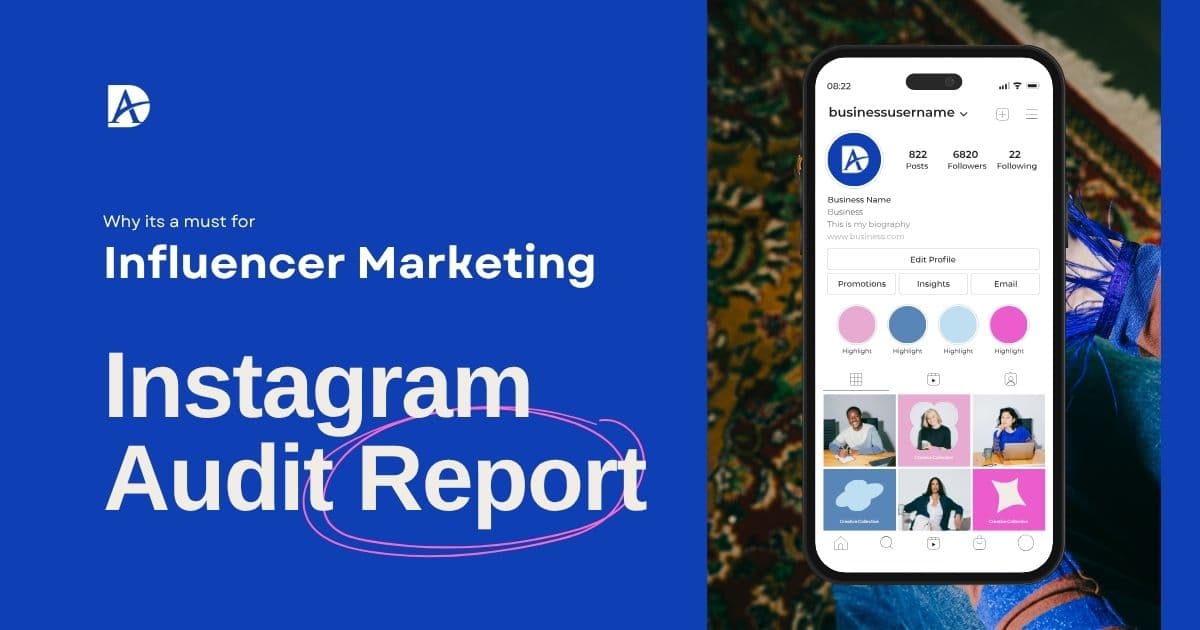
I offer a detailed Instagram Influencer Audit & Engagement Report that covers everything above and more. Last 30 posts analyzed, follower authenticity verified, audience demographics broken down, engagement quality scored, and a clear hire or don't-hire recommendation. Delivered in 3 to 5 business days for ₹14,999 + GST.
If you're about to write a cheque for an influencer campaign, spend 1% of that budget making sure you're writing it to the right person. Order the audit here or book a free call if you want to discuss your campaign first.
Enjoyed this? Get the next one in your inbox
Join readers getting practical guides like this every week. Free, unsubscribe anytime.
- One practical article a week, no fluff
- Free checklists and self-check PDFs first
- SEO, WordPress, AI search, and online safety